First Engine Started on Massive New Royal Caribbean Cruise Ship
Table Of Content
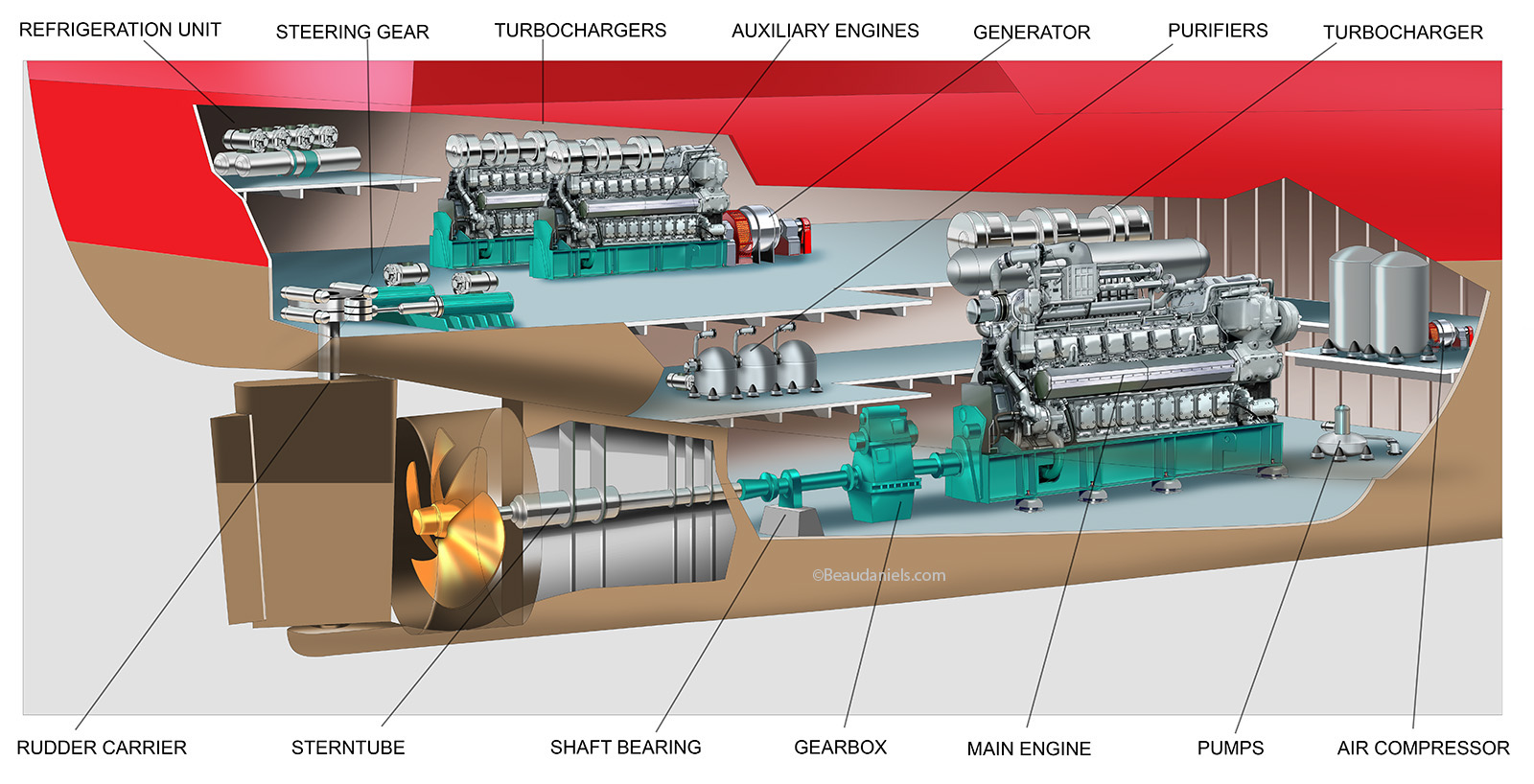
Combined Gas and Steam Turbine Engines (COGAS) provide efficient power generation and improved fuel economy by utilizing waste heat to produce steam. The selection of engines for cruise ships is a critical decision that influences the performance, efficiency, sustainability, and overall cruising experience. Cruise ship operators consider various factors, including power requirements, fuel efficiency, environmental impact, reliability, and safety. These systems utilize batteries or energy storage systems alongside combustion engines to optimize fuel consumption and reduce emissions. LNG (liquefied natural gas) is emerging as a promising alternative fuel for cruise ship engines, offering significant environmental and operational advantages.
Azipod cruise ship propulsion system
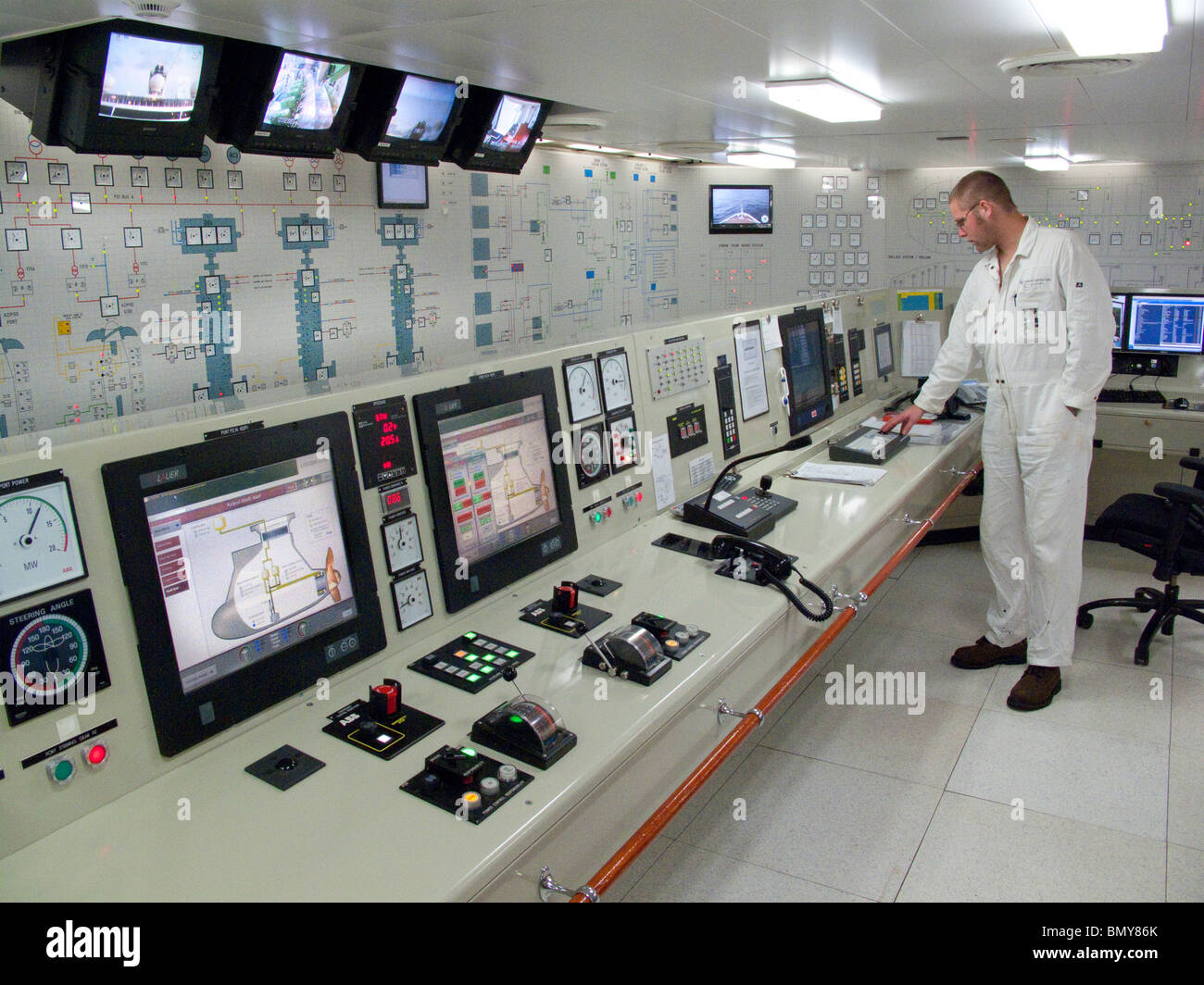
Without a cruise ship engine, these vessels would be nothing more than a floating hotel. They would drift aimlessly at sea and would lack any form of propulsion. Looking at the sheer size of these vessels makes one wonder how large an engine needs to be to maneuver the ship successfully in water.
Diesel-Electric
The crankshaft connects to the propeller through a long propeller shaft and gears, which further determines its speed in traditional diesel-powered vessels by steam pressure. Generally, the faster the pistons move up and down from the pressure, the quicker the propeller shifts would move. Cruise ships also have an echo sounder, a device used for the electro-acoustic measurement of water depths (sounding). The depth is determined by measuring the time between the emission of a sound impulse (water sound) and the arrival of the sound waves reflected from the bottom of the sea. The main purpose of echo sounders in cruise ships is safe navigation through waters. It is where crankshafts, pistons, and hammers rotate to make the ship move forward.
Cruise Ship Engine Power, Propulsion, Fuel
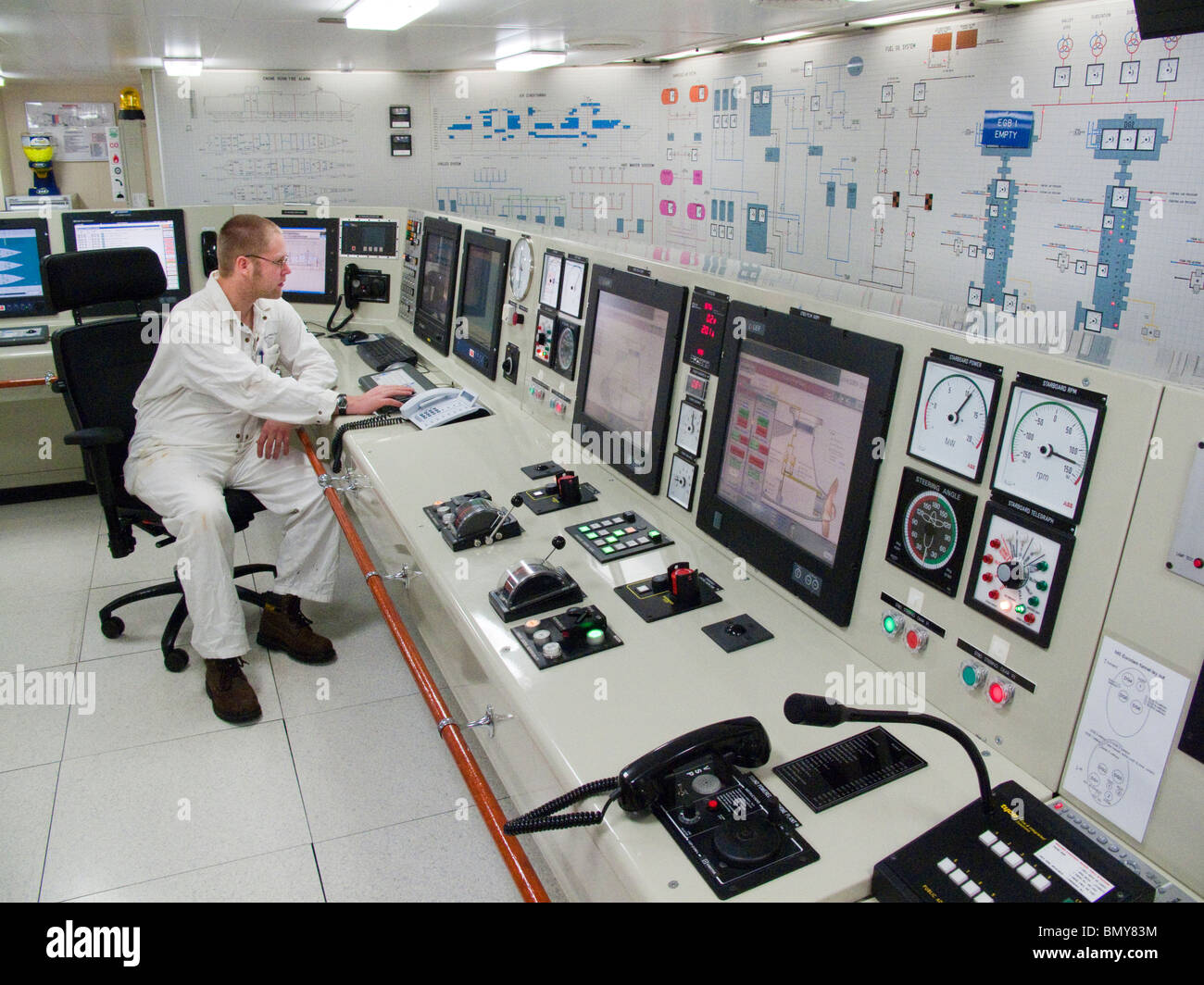
When the passengers return from their excursions, the ship is ready to move on. How much is dependent on the size of the ship, the speed it goes, and the distance it travels. The amount of fuel an average cruise ship goes through in a voyage is generally around 300 tons a day. Engines use diesel fuel, which, when ignited, drives the engine pistons up and down. The pistons are attached to a crankshaft, and the action of the pistons turns the crankshaft, which is attached to the propeller. The propeller moves the ship through the water at a gentle speed.
What Engine Do Cruise Ships Use
Engines operating at higher speeds tend to be found on smaller vessels. Determining the type of engine that is installed on a new cruise ship involves examining the engine’s size. RMS Queen Mary 2 is equipped with exhaust gas economizers, using waste heat from engines to produce steam.
How Does Heat Escape from the Engine Room?
Many of today’s diesel-engine cruise ships also employ a shaft generator to generate electricity for shipboard services, like lighting. The cruise ship engine room is both mysterious and fascinating because it’s hidden from passengers. Generally, cruise ship engines run a long time before experiencing any difficulties. Regular maintenance by the chief engineer is conducted to make sure that they are running in top condition and to prevent any mishaps while at sea.
First Engine Started on Massive New Royal Caribbean Cruise Ship
For all the ship’s power, the engine rooms can take up several decks high and are generally divided into several compartments. It may not feel like an open massive space, but it is truly the heart of the ship and the design of the rooms and placement are critical. If you want one thing in a cruise ship aside from the cocktails and a nice tan, it’s the vessel’s stability and durability. Whether you are traveling through an unexpected storm or cruising on a gentle wave, your cruise ship should be the most stable in all situations. The signals emitted by special navigation satellites are picked up by the cruise ship through a special antenna.
Rolls-Royce cruise ship propulsion system "Promas Lite"
A large number of older ships use diesel reciprocating engines for generating power for propulsion. Cruise ship engine power is supplied through the transmission to the propeller shafts. Modern ships use either diesel-electric engines or gas turbines as a source of power for propulsion, and for ship's systems. Some of the larger ships depend on two power sources - one for electrical power and one for propulsion. Engine manufacturers work closely with cruise ship operators to determine the power requirements and customize engine designs accordingly.
Engine room explosion reported on Maine cruise ship - WorkBoat
Engine room explosion reported on Maine cruise ship.
Posted: Wed, 25 Oct 2023 07:00:00 GMT [source]
The recovered heat is used for numerous services, including desalination of saltwater to fresh water and fuel heating (if heavy fuel oil is used). Fresh water can be produced by reverse osmosis to supplement an evaporator. Space is needed not only for the massive engines, but for fuel tanks, generators, the engine workshop, and the control room.
One option is to make them bigger and more effective when maneuvering, another is to add additional mini-pods or install full-sized pods. ABB also supplies the power generation, distribution systems, bow thrusters, and of course, the 2 x 20,500 kW propulsion Azipod XO units (at the photo at right), transformers and drives. Travelers who want to pick their own stateroom must pay an additional $128 per person. If they opt for one of the larger (by at least one square foot) interior cabins, it'll be an extra $100. Or they could work off their lunch buffet by sweating it out at the sports court — basketball and ping pong included — for no extra charges. This blog helps over a million people to plan their cruises each month.
Generally, these cruises’ primary business is through the onboard casinos, spas, shopping, and drinks. To make maximum profit, companies design these cruises by providing readily available entertainment on board. Most passengers are estimated to use 500$ onboard for their vacation experience. These are cruises that are readily available, common, and well-known by the public with reasonable ticket costs. This is the general idea when engineers designed the hull of the ship. This ratio has to be calculated when designing a ship and has to be correct.
Cruise ships are marvels of modern engineering, offering unforgettable experiences on the high seas. As these magnificent vessels sail across oceans, powering their immense size and providing luxurious amenities to passengers requires robust and efficient engines. The engines used in cruise ships are not only responsible for propelling the ship but also for generating electricity, providing heating and cooling systems, and supporting various onboard facilities.
Each passing year, new technologies are being conceptualized, designed, experimented and fitted on new ships. Instead of this, the job of supplying electric power for the ship loads and for propelling the ship is carried out by the main generators. These generators allow for huge space saving and offers flexibility of location and arrangement.


Comments
Post a Comment